

Pompeii Ruins Must-See Spots: Villas, Temples & Frozen Roman Life
Updated: Dec 19, 2025
Pompeii still has the power to shock visitors because it feels like a Roman city stopped mid‑breath rather than a distant ruin. Just a short ride from Naples, it easily fits into a relaxed day trip or combines with a Naples free walking tour, so you see both ancient streets and today’s lively centro storico in one trip.

In 79 AD, Mount Vesuvius erupted and buried Pompeii under several meters of ash, pumice, and super‑heated flows that instantly froze everyday life in place. Because the city stayed sealed under volcanic layers for centuries, its villas, temples, frescoes, bars, and even street graffiti survived in extraordinary detail, giving archaeologists and visitors a rare window into real Roman routines. That is why Pompeii has become a must on almost every Naples and Campania itinerary, especially for travelers who want more than just museums and coastal views.
With Napule Tours’ certified local guides, you do not just stroll past famous sites like the Forum or the Villa of the Mysteries; you read the streets like a living history book, with stories that connect what you see in Pompeii to the characters and corners of modern Naples. This mix of expert guiding, small groups, and routes that link Pompeii with Naples walking tours helps first‑timers turn a simple day trip into a deeper experience of the whole region.
Planning Your Visit to Pompeii from Naples
Planning your visit from Naples to Pompeii is easier than it looks, especially when you break it into three parts: how to get there, when to go, and how long to stay. Because the ruins sit only about 30–40 minutes away by train or 20–30 minutes by car, it is simple to add Pompeii to a short Naples stay or link it with a Naples free walking tour on the same day.
The most popular way to reach Pompeii is the Circumvesuviana local train from Napoli Centrale or Garibaldi, which runs frequently towards Sorrento and stops at Pompei Scavi–Villa dei Misteri, right by the main entrance. Alternatively, travelers can choose the more comfortable but pricier Campania Express, a regional Trenitalia train to Pompei station with a short walk, or a fully organized tour that includes transport and tickets for a stress‑free day.
For many first‑timers, booking a guided excursion from Naples with a company like Napule Tours removes the worry of platforms, timetables, and queues, so they can focus on the stories instead of the logistics.
Timing matters as well, because Pompeii can get hot and crowded, especially in summer. Aim to arrive early in the morning or later in the afternoon when the light is softer, the temperatures are lower, and the main paths feel less busy, then plan at least three to four hours inside the ruins to see key villas, temples, and public spaces without rushing. Many visitors like to combine a morning at Pompeii with an evening Napoli walking tour or free walking tour, which is exactly how Napule Tours designs its schedules for guests who want to experience both ancient and modern Campania in a single, smooth plan.
Pompeii Ruins Must-See Spots Overview
Pompeii is huge, so having a clear overview of the must‑see spots helps you use your time wisely and actually feel the city’s “frozen” Roman life. Most first‑timers focus on a mix of grand public spaces, elegant villas, working‑class streets, and the famous plaster casts that show the human side of the eruption.

At the heart of almost every route sits the Forum area, with its temples, basilica, markets, and surrounding administrative buildings, which together show how Pompeii worked as a Roman town. From there, a good visit usually includes at least one major bath complex such as the Stabian or Forum Baths, the theatres and amphitheatre, and a handful of standout houses like the House of the Faun or Villa of the Mysteries, so you see both public and private life.
Because the site covers several square kilometres, wandering without a plan means you may miss key highlights or spend too long in less interesting backstreets. Joining a structured route with Napule Tours lets you move through the main villas, temples, baths, and “frozen in time” spots in a logical loop, while your guide links them to what you will later explore on a Naples city walking tour or free walking tour in the historic centre.
Grand Public Spaces: Forum, Temples & Civic Life
Grand public spaces are where Pompeii feels most like a living Roman city, because this is where politics, religion, markets, and daily gossip all collided. The Forum and its surrounding temples and civic buildings formed the beating heart of public life, so any serious visit should start here before heading into side streets and villas.
At the centre lies the rectangular Forum, lined with colonnades and framed by important structures such as the Basilica, the Macellum market, and various administrative buildings. Citizens once met here to trade, attend trials, hear speeches on the temple steps, and join religious festivals, which is why standing in this open square with a guide from Napule Tours helps visitors picture the noise, colours, and crowds that once filled the space.
On the north side, the Temple of Jupiter dominates the view and symbolises Roman power, while nearby sanctuaries such as the Temple of Apollo and other shrines show how religion and politics were tightly linked in Pompeii. Walking this compact cluster of temples with a knowledgeable local guide turns columns and altars into characters in the story, and it also creates a natural bridge to later stops on a Naples city walking tour, where modern churches and piazzas still host the city’s public life.
Villas & Houses: Intimate Glimpses of Roman Luxury
Some of the most moving parts of Pompeii are its villas and houses, because they feel like you have stepped straight into someone’s private life rather than just a museum. In these rooms you see how wealthy families decorated, how they dined, and even how they worshipped at home, which makes the “frozen in time” feeling very personal.
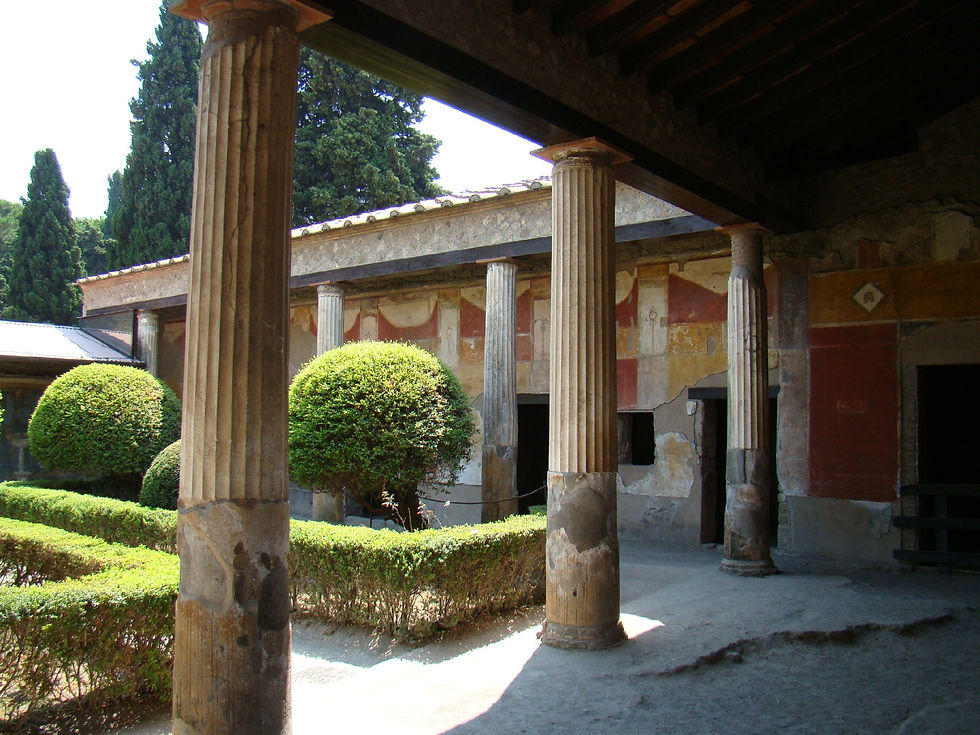
The Villa of the Mysteries sits just outside the main walls and is famous for a long, vivid fresco cycle that likely shows an initiation ritual linked to the cult of Dionysus, the god of wine and ecstasy. Its bright “Pompeian red” walls and almost life‑size figures still feel surprisingly alive, so walking through with a Napule Tours guide helps visitors understand the symbolism instead of just snapping quick photos.
Inside the city, grand townhouses such as the House of the Faun reveal mosaics, courtyards, and decorative details that scream elite luxury, including the replica of the famous Alexander mosaic. However, Pompeii was not just about rich owners, so a good route also passes bakeries, thermopolia (ancient snack bars), and small workshops, where archaeologists have found ovens, counters, and even “fast‑food” style serving jars that show how ordinary residents ate and worked every day. Napule Tours usually weaves both worlds—lavish villas and busy street‑front shops—into one narrative, so guests see how different classes shared the same city.
Baths, Theatres & Amphitheatre: Roman Leisure and Spectacle
Roman baths, theatres, and the amphitheatre show how Pompeiians relaxed, socialised, and chased big spectacles, so they are essential stops for understanding daily life beyond villas and temples. In one compact area, you can walk from quiet changing rooms and hot pools to grand stages and a massive arena that once echoed with cheers for gladiators.

The Stabian Baths are the oldest and one of the most complete bath complexes in Pompeii, with separate areas for men and women, a central exercise yard, and a full sequence of cold, warm, and hot rooms heated by an underground hypocaust system. These baths were more than hygiene; they were a social hub where people from different classes met, exercised, talked business, and caught up on gossip, which is why guides from Napule Tours often slow down here to explain how a typical bathing routine worked from locker room to steaming caldarium.
Nearby, the Large Theatre could seat several thousand spectators for plays and performances, while the smaller covered Odeon hosted more intimate musical events, poetry, and even political meetings for the local elite. Sitting on the stone steps with a local guide helps visitors imagine the sound of voices and instruments carrying across the rows, and it also makes a neat comparison point when you later sit in today’s Naples piazzas during a free walking tour.
At the edge of the city, the great amphitheatre is one of the oldest surviving Roman amphitheatres, built around 80–70 BCE and large enough to hold up to around 20,000 spectators for gladiatorial games and other blood‑sport shows. Its steep tiers, preserved arena, and position against the city walls make it a powerful final stop on many Napule Tours routes, because you end the visit where Pompeii once gathered for pure spectacle before returning to modern Naples, where today’s crowds fill football stadiums and street festivals instead.
Frozen Roman Life”: Plaster Casts, Streets & Everyday Details
Some of the most unforgettable moments in Pompeii come from tiny, human details rather than grand monuments, because they show “frozen” Roman life at street level. From plaster casts of real people to cart ruts, stepping stones, and cheeky graffiti, these traces make it easy to imagine families rushing, working, and joking on the day everything stopped.
The most powerful example is the Garden of the Fugitives, where thirteen plaster casts preserve the final positions of adults and children who tried to escape across a vineyard towards the city gates. Archaeologists created these casts by pouring liquid plaster into body‑shaped voids left in the hardened ash, then carefully removing the surrounding material so visitors can now see clothing folds, facial expressions, and even fingers in heartbreaking detail. Because this area is emotionally intense, Napule Tours guides usually prepare guests first and explain respectful behaviour, then help them understand what pyroclastic flows and ash really did to Pompeii’s people.
Away from the casts, the streets themselves feel alive: raised stepping stones let pedestrians cross roads during water run‑offs, deep wheel ruts mark regular cart routes, and public fountains fed by an impressive water system appear at many corners. On house walls and inside the famous Lupanar brothel, graffiti and small carvings show jokes, love notes, and even advertising, while thermopolia and snack bars still keep their counters and food jars, proving that Romans loved quick “take‑away” meals as much as modern Neapolitans grabbing pizza between sights.
A good Napule Tours route weaves these details into the bigger story of villas and temples, so guests leave feeling they have walked through a lived‑in city, not just an archaeological site.
Self-Guided vs Guided: Why a Local Tour Wins
Self‑guided visits to Pompeii give you maximum freedom and can be cheaper, but you spend more time navigating maps, reading signs, and trying not to miss key areas. A guided tour with certified local guides, like those from Napule Tours, turns the same 2–3 hours into a clear, story‑driven route through the best villas, temples, and “frozen in time” details, while also handling timing, meeting points, and questions, which most first‑timers find far less stressful.
From Naples Free Walking Tour to Pompeii: Seamless Itineraries
Linking a Naples free walking tour with a Pompeii day trip creates a seamless itinerary that shows both the modern city and the ancient one in a logical, low‑stress flow. Typically, travelers start with a free walking tour in Naples’ historic center—around Piazza Dante, Spaccanapoli, Via dei Tribunali, and the Duomo—so they learn how the streets work, hear local stories, and get food tips before heading out to the ruins.

The next day, or even the same morning if timing allows, you can join a structured Pompeii visit that departs from central Naples and returns you there afterwards. Napule Tours builds its schedules around this pattern: guests often book a Naples free walking tour to get oriented, then add a Pompeii excursion with the same style of storytelling and certified local guides, which keeps the whole experience feeling like one continuous narrative from Roman ruins to today’s lively Naples alleys.
Why Book Pompeii with Napule Tours
Booking Pompeii with Napule Tours means your day is handled by a small, local company that specialises exactly in Naples walking tours and Pompeii ruins excursions with certified guides. The team runs an everyday morning excursion to Pompeii, including a professional authorized guide, earphones for larger groups, and a one‑way Naples–Pompeii ticket, so first‑timers do not have to worry about decoding train timetables or finding the right entrance alone.
Because Napule Tours also offers a popular Naples Free Walking Tour in the Old Town, many guests combine both experiences for a seamless narrative: first exploring Spaccanapoli, piazzas, and legends on a tips‑based city walk, then stepping into the “frozen in time” streets of Pompeii with the same style of storytelling. Reviews highlight the guides’ deep knowledge, easy pace, and ability to choose clever routes that avoid bottlenecks while still covering the main highlights, which helps you see more in the same 2–3 hours and leaves space for photos, questions, and food tips for the rest of your Naples stay.


Comments